FOR THE KOHANIM OF TODAY
Mishmeret
מִשְׁמֶרֶת
You were given something to keep. Mishmeret is a daily watch of the priesthood: two minutes in the morning and two at sunset, a Beit Midrash for the laws and the inner meaning of the Kehuna, and a mishmar of Kohanim around the world who keep it with you.
Join the first mishmarJoin the first mishmar
Twenty to thirty Kohanim, one WhatsApp group, six weeks. Each morning and each afternoon, two minutes: one source, one short teaching, one question. Leave your email and Rabbi Amichai will add you personally. It is free.
The verse
וְאַתָּה וּבָנֶיךָ אִתְּךָ תִּשְׁמְרוּ אֶת־כְּהֻנַּתְכֶם
"And you and your sons with you shall keep your priesthood." Bamidbar 18:7
The Torah does not say you inherited your priesthood. It says you shall keep it. A Kohen receives the Kehuna by birth. A kept Kehuna is something else. It is a priesthood someone is actually watching over, the way a guard watches a gate at night. Mishmeret is that watch, for a year with no Mikdash, no korbanot, and a day that looks like everyone else's.
B"H
What a day looks like
Tamid. Morning and bein ha'arbayim, the two moments that held the whole day in the Mikdash. One source, one short teaching, one question, one thing placed on the altar. Two minutes.
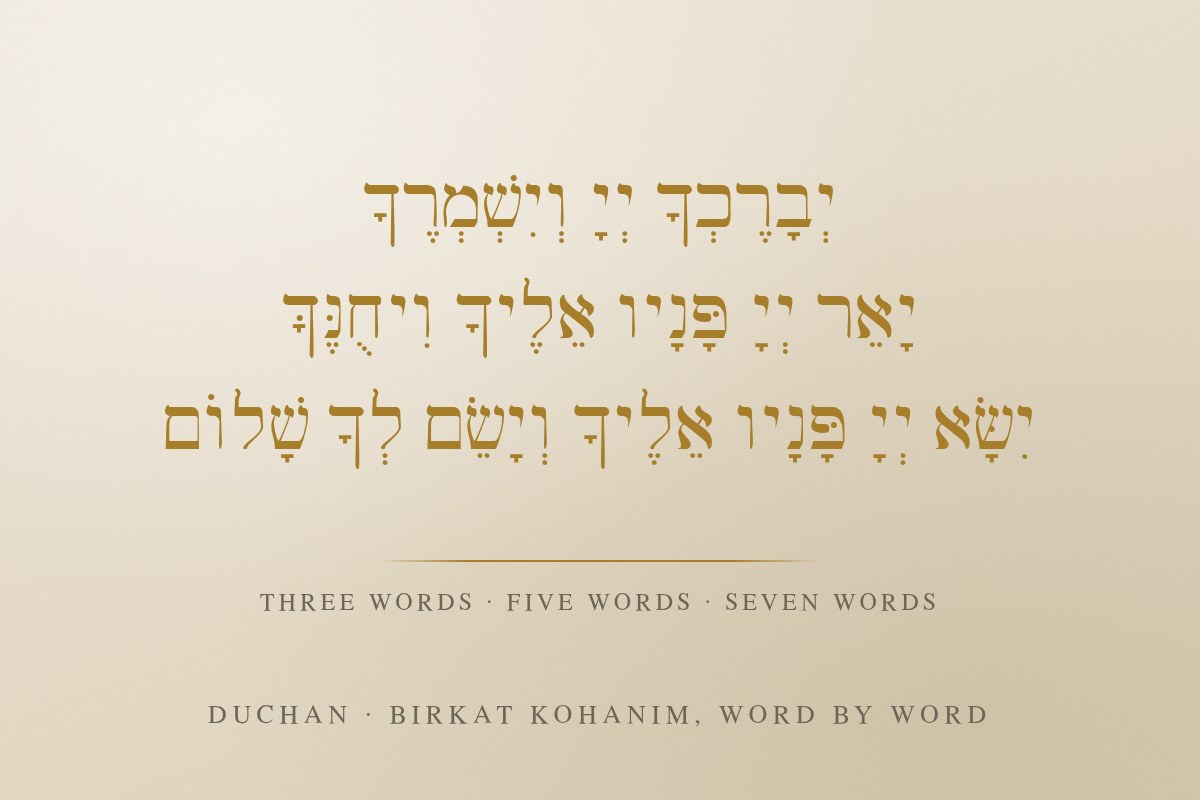
Duchan. Birkat Kohanim word by word. The plain meaning, the Rashi, and a kavana to bring up with you for each of the fifteen words.
Mishmar. The Kohanim served in twenty-four watches. Every learner here joins one. When your watch is on duty, your circle hosts the week's question and receives the live class.
Beit Midrash. Thirty days on the Kohen today. The Rambam's Hilchot Beit HaBechira, chapter by chapter. The inner Kehuna in Chassidus and Kabbalah.
Ask. A study companion that knows the sources of this Beit Midrash, cites them, and sends personal halachic questions to your rav.
Who this is for
Kohanim. Whether you duchen every morning or found out at a bar mitzvah that you are one, whether you learn daily or have not opened a sefer in years. The priesthood is yours either way. This is a place to keep it.
If you are not a Kohen and you love the Mikdash, you are welcome to learn here too. The Beit Midrash is open. The mishmarot are for Kohanim.
From Rabbi Amichai
I am a Kohen. Our family name is Cohen-Skali, from the priestly town of Dibdu in Morocco, and before that from Cordova in Spain. We are descendants of Tzadok, the Kohen Gadol of King David.
For years I taught the Rambam's Laws of the Temple under the name Kehuna Academy. What I learned is that a Kohen does not need more information first. He needs a daily way to keep what he was given. Mishmeret is that. It is small on purpose, two minutes twice a day, and it is meant to be kept for a long time.
May we see the Kohanim at their avodah, speedily in our days.
Rabbi Amichai Cohen
Beit Midrash: the Rambam's Laws of the Temple
Hilchot Beit HaBechira, chapter by chapter, with Rabbi Amichai. Seven chapters are recorded as audio classes with the text of each chapter in Hebrew and English. Chapter eight is on its way.
Free, and yours to keep.
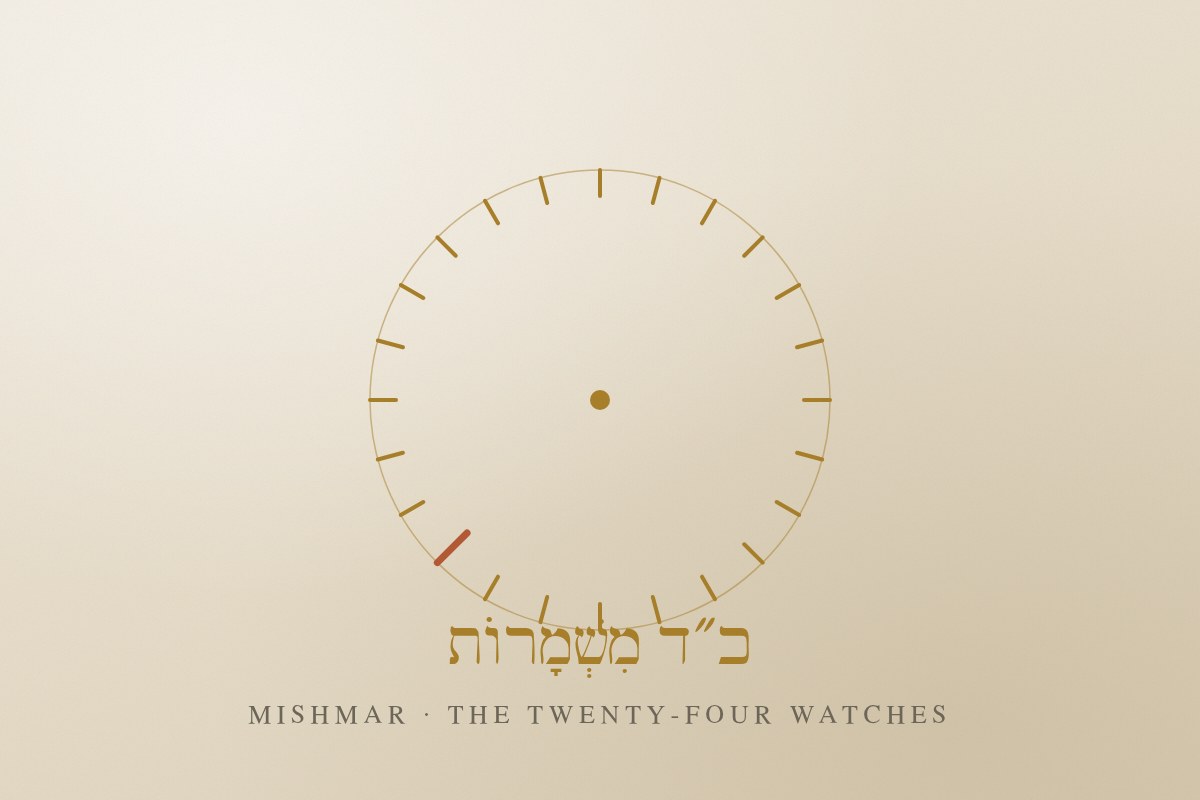
Mishmar: your first watch is your family
"You and your sons with you." The Kehuna passes from father to son, so every Kohen arrives with a watch already: a father, a brother, a son, an uncle. Bring one of them.
In the Mikdash the Kohanim served in twenty-four mishmarot, each coming up to Jerusalem for one week. Here, every learner joins a mishmar, and one watch is on duty each week.
The Kohen's calling
"They shall teach Your ordinances to Yaakov and Your Torah to Israel." Devarim 33:10
"They shall instruct My people between the holy and the ordinary." Yechezkel 44:23
"For the lips of the Kohen should safeguard knowledge." Malachi 2:7
"Be of the disciples of Aharon, loving peace and pursuing peace, loving all creation and drawing them near to the Torah." Pirkei Avot 1:12
Our sages teach that there are three crowns: Torah, kingship, and Kehuna. The crown of Kehuna is not earned through conquest or intellect. It comes through a lineage of service, humility, and love, from Aharon, who loved peace and pursued it. The Kohen's outer service reflects his inner work: refining the heart, sanctifying speech, and becoming a vessel of blessing. That work does not wait for the Mikdash. It is available today, and it is what Mishmeret is for.
A word on money
Mishmeret is free. It is a passion project of Live Kabbalah, a registered 501(c)(3). If at some point you feel called to support it, there is a place to do that. No one is asked, and nothing here is locked.
Mishmeret was formerly Kehuna Academy. The Rambam classes are the same classes, in the same place.
Begin the Rambam, free